Appointment scheduling is quietly making a comeback in the U.S. government’s visa operations — but this time, it’ll cost you.
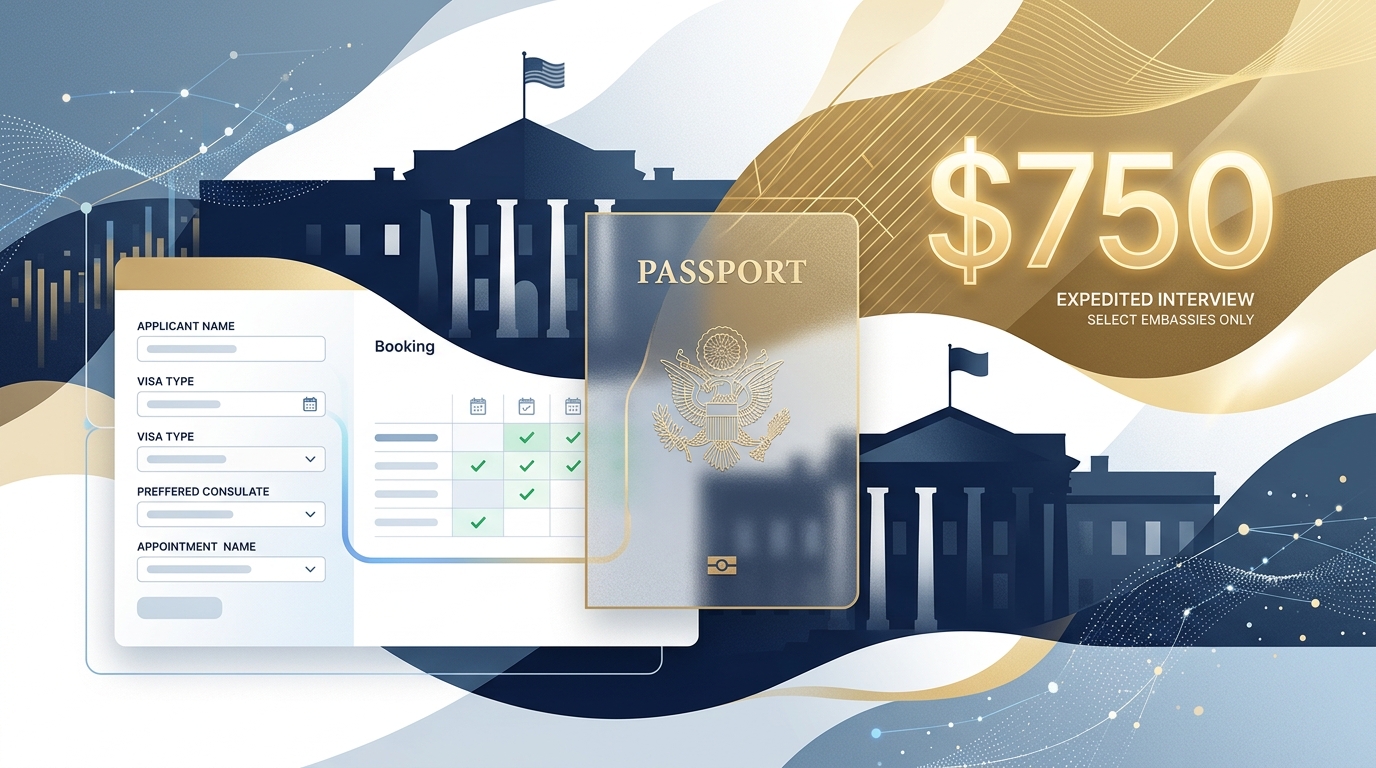
The State Department is set to launch a pilot program that allows foreign nationals seeking business or tourist visas to pay a $750 “premium” fee on top of the standard $185 application fee in exchange for a guaranteed interview appointment within 10 days at select U.S. embassies and consulates. The program is slated to run from July 1 through December 31, 2026, with possible extension based on demand.
The irony is hard to miss. Earlier this year, the Trump administration temporarily paused visa operations at several embassies, canceling appointments and leaving applicants in limbo. Now, a pay-to-play scheduling lane is being introduced as a pressure valve for the backlogs that administration policies helped create.
Wait times for visa interviews for citizens of countries outside the Visa Waiver Program can stretch to several months or longer. The new requirements — including bonds of up to $15,000 for applicants from certain countries and extensive social media vetting — have added friction and delays throughout the process. The premium scheduling option is positioned as an “optional add-on,” though it stops well short of guaranteeing that a visa will actually be issued.
From a scheduling industry perspective, this development is notable. The U.S. government is effectively applying a tiered appointment model — something commercial scheduling platforms have offered for years — to one of the most consequential administrative processes a foreign national can navigate. Whether you view it as pragmatic capacity management or a two-tier system for those who can afford it, the underlying mechanism is the same: paying for faster access to a scheduling slot.
The specific embassies and consulates participating in the pilot have not yet been announced but are expected to be disclosed before July 1.
The TASBIA™ Bottom Line
Governments pausing appointment systems and then re-opening them via premium fee structures is a pattern worth watching. As appointment scheduling becomes increasingly central to how citizens and applicants interact with institutions — from immigration to healthcare to public services — the question of who gets access, and at what price, becomes a policy question as much as a technology one. The mechanics of scheduling have never been more visible.
Source: NewsTimes / AP
